Fitness and Health: A Complete Guide to a life
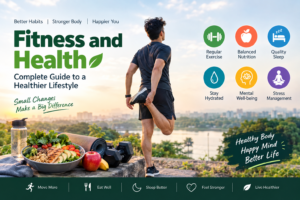
Maintaining good fitness and health is essential for living an active, energetic, and balanced life. Physical wellness, healthy living, body strength, nutrition, and mental well-being all contribute to overall fitness and health. In today’s busy lifestyle, people often struggle to find enough time for exercise and proper nutrition. However, small and consistent changes can make a significant difference. A balanced diet, regular physical activity, quality sleep, proper hydration, and stress management can help you build a healthier lifestyle and support long-term fitness and health.
Why Fitness and Health Matter
Good fitness and health are not only about having a strong or attractive body. They are also connected with energy, mobility, mental well-being, disease prevention, and quality of life.
Regular physical activity can help improve cardiovascular endurance, muscular strength, flexibility, and stamina. A nutritious diet provides the body with essential vitamins, minerals, protein, carbohydrates, healthy fats, and other nutrients.
When exercise and healthy eating become part of your daily routine, you can develop better habits that support long-term fitness and health.
Physical Benefits
A consistent exercise routine can help:
- Improve muscle strength
- Support cardiovascular fitness
- Maintain a healthy body weight
- Improve flexibility and mobility
- Increase daily energy
- Support healthy bones and joints
Mental Benefits
Physical activity can also support mental wellness. Exercise may help reduce everyday stress, improve mood, and support better sleep. Combining physical activity with relaxation and adequate rest can create a balanced approach to fitness and health.
How to Improve Fitness and Health
If you want to know how to improve fitness and health, start with realistic goals instead of making extreme changes. Your routine should be practical enough to maintain for months and years.
1. Exercise Regularly
Exercise is one of the most important parts of a healthy lifestyle. You do not necessarily need expensive gym equipment. Walking, jogging, cycling, swimming, bodyweight exercises, and recreational sports can all contribute to better fitness and health.
Try to include different types of physical activity throughout your week.
For example:
- Walking for cardiovascular activity
- Squats for lower-body strength
- Push-ups for upper-body strength
- Planks for core stability
- Stretching for flexibility
Choose activities that you enjoy because consistency is more important than following an unnecessarily complicated routine.
2. Follow a Balanced Diet
Nutrition plays a major role in fitness and health. Your body needs a variety of nutrients to produce energy, repair tissues, and maintain normal body functions.
A balanced meal can include:
- Vegetables and fruits
- Whole grains
- Protein-rich foods
- Healthy sources of fat
- Adequate fluids
Protein sources such as eggs, fish, chicken, beans, lentils, and dairy products can support muscle maintenance. Fruits and vegetables provide important vitamins, minerals, and dietary fiber.
A healthy diet does not mean completely avoiding every food you enjoy. Instead, focus on balance, variety, and appropriate portions.
Daily Fitness and Health Routine
Creating a daily fitness and health routine can make healthy habits easier to maintain. Your routine does not need to be complicated.
Morning Routine
Start your day with sufficient water and light movement. A short walk, stretching session, or simple mobility routine can help you become more active.
Eating a nutritious breakfast can also provide energy for your morning activities.

Daytime Routine
Stay physically active throughout the day. If you study or work at a desk, take short movement breaks instead of sitting continuously for long periods.
Choose nutritious meals and drink water regularly. These simple habits can support your overall fitness and health.
Evening Routine
Use the evening to complete your planned workout if morning exercise is not convenient. After exercise, allow your body enough time to recover.
A relaxing evening routine and consistent sleeping schedule can also support physical and mental well-being.
Best Exercises for Fitness and Health
Different exercises provide different benefits. A well-rounded workout can combine several types of movement.
Cardiovascular Exercise
Walking, running, cycling, swimming, and dancing are examples of cardiovascular activities. They can improve endurance and help you stay active.
Strength Training
Strength exercises such as squats, lunges, push-ups, rows, and resistance exercises can help develop muscular strength.
Beginners should focus on proper technique and gradually increase the difficulty rather than attempting advanced workouts immediately.
Flexibility and Mobility
Stretching and mobility exercises can help maintain movement quality. Include gentle stretching as part of your regular fitness and health routine.
The Importance of Sleep
Exercise and nutrition are important, but recovery is equally valuable. Quality sleep allows your body and mind to recover from daily activities.
Poor sleep can affect energy, concentration, mood, and exercise performance. Therefore, maintaining a regular sleeping schedule should be considered an important part of your fitness and health strategy.
Try to:
- Maintain a consistent bedtime
- Create a relaxing nighttime routine
- Reduce unnecessary screen use before sleeping
- Keep your sleeping environment comfortable
Hydration and Fitness
Water is essential for normal body functions. Staying hydrated is particularly important when you exercise or spend time in hot and humid conditions.
Instead of waiting until you feel extremely thirsty, make drinking water a regular part of your day. Individual fluid requirements can vary depending on factors such as activity level, climate, diet, and health status.
Proper hydration supports an active lifestyle and contributes to overall fitness and health.
Managing Stress
A healthy lifestyle should include mental well-being. Continuous stress can affect sleep, concentration, motivation, and daily habits.
Consider adding relaxing activities to your routine, such as:
- Walking outdoors
- Reading
- Deep breathing
- Meditation
- Spending time with family or friends
- Enjoying hobbies
Managing stress alongside physical activity and nutrition creates a more complete approach to fitness and health.
Common Fitness and Health Mistakes
People often make mistakes when starting a new wellness routine.
Doing Too Much Too Quickly
Increasing workout intensity too rapidly can make it difficult to maintain your routine. Start at a manageable level and gradually progress.
Ignoring Nutrition
Exercise alone cannot replace a balanced diet. Your body needs adequate nutrients to support daily activities and recovery.
Neglecting Recovery
Rest days and adequate sleep are important components of sustainable fitness and health.
Following Every Online Trend
Not every fitness trend is suitable for everyone. Choose evidence-based habits and consider professional advice when you have specific health concerns.
Building Long-Term Healthy Habits
The key to sustainable fitness and health is consistency. You do not have to transform your lifestyle overnight.
Start with small goals:
- Walk regularly.
- Add more nutritious foods to your meals.
- Drink enough water.
- Establish a consistent sleep schedule.
- Include strength and cardiovascular activities.
- Manage everyday stress.
- Track your progress realistically.
Small improvements can become powerful habits when you maintain them consistently.
Conclusion
A healthy lifestyle is built through a combination of physical activity, nutritious food, adequate sleep, hydration, recovery, and stress management. There is no single routine that works perfectly for everyone. The best approach is to create realistic habits that fit your lifestyle and can be maintained over time.
By making gradual improvements and staying consistent, you can support your fitness and health while working toward greater strength, energy, mobility, and overall well-being. Remember that sustainable progress is more valuable than short-term results.